
Starting a creative workshop — whether it’s pottery, painting, cooking, or any other hands-on activity — can be one of the most rewarding ways to share your passion. But beyond the excitement of teaching and welcoming participants, there are a few practical lessons that every workshop owner learns the hard way.
Here are 5 things to keep in mind before you open your doors.
1. Don't let your lack of expertise hold you back.
You don’t need to know everything before you start teaching — and that’s the beauty of running a workshop. What matters most is knowing where and how to find answers when questions come up. Students appreciate honesty and curiosity just as much as expertise.
If you stay open, resourceful, and willing to learn on the journey, you’ll grow much faster as a teacher. Your teaching will be practical and you'll be able to help your students more effectively.
2. Plan Your Space Before Shopping for Furniture
A creative studio isn’t just about tools and equipment — it’s about flow. Organizing and cleaning your space is a big part of daily life, and the way you set it up will determine how smooth (or stressful) each session feels. Think about storage, cleaning routines, and traffic flow before you shop for that perfect workbench or set of chairs.
3. Know Your Customer Personas
Not every customer signs up because they want to master a skill. Some people join a workshop simply to have a good time and capture a few photos for social media. And that’s perfectly fine! Recognizing different customer personas will help you “read the room” and adjust your teaching style so everyone leaves satisfied.
4. Value Your Work and Stand by Your Prices
At some point, you’ll meet customers who want to bargain or pay less. This doesn’t mean your prices are too high. It simply means they don’t yet see the full value of your work. Resist the urge to discount impulsively. Instead, communicate the unique value of your workshop — your expertise, the quality of the experience, and the memories participants will take home.
5. Set Clear Boundaries for Flexibility
Customers will ask to reschedule, cancel, or change participants — sometimes at the very last moment. Having clear rules for these situations is essential. Make them visible and easy to understand, while keeping enough flexibility to adapt. Even better, use a booking system that allows participants to manage small changes themselves. This saves you time and avoids misunderstandings.
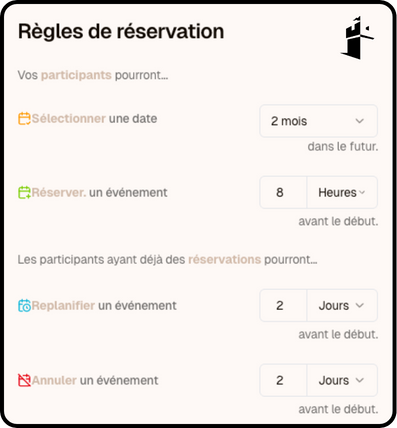
Example of Atoly booking rules
Final Thoughts
Running a creative workshop is as much about managing people and logistics as it is about teaching a craft. By planning ahead, valuing your work, and setting healthy boundaries, you’ll create a space where both you and your participants can thrive.
And remember: with the right tools, you can spend less time worrying about schedules and micro-managing each of your customer requests. With Atoly, your customers can manage their own booking through their virtual ticket:
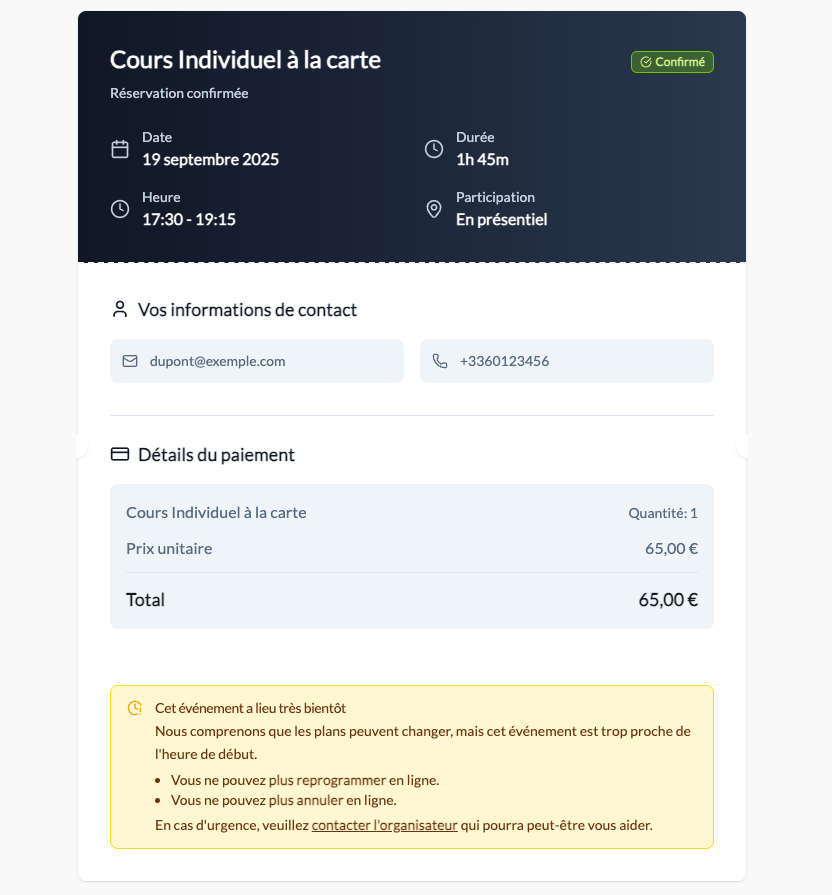
This ticket is dynamic, it will show up-to-date information about the booking, and depending on the current time, it will show the options to reschedule or cancel the booking following your own rules.
You can start a 14 days free trial with Atoly and see how it can help you manage your workshop.